Go back
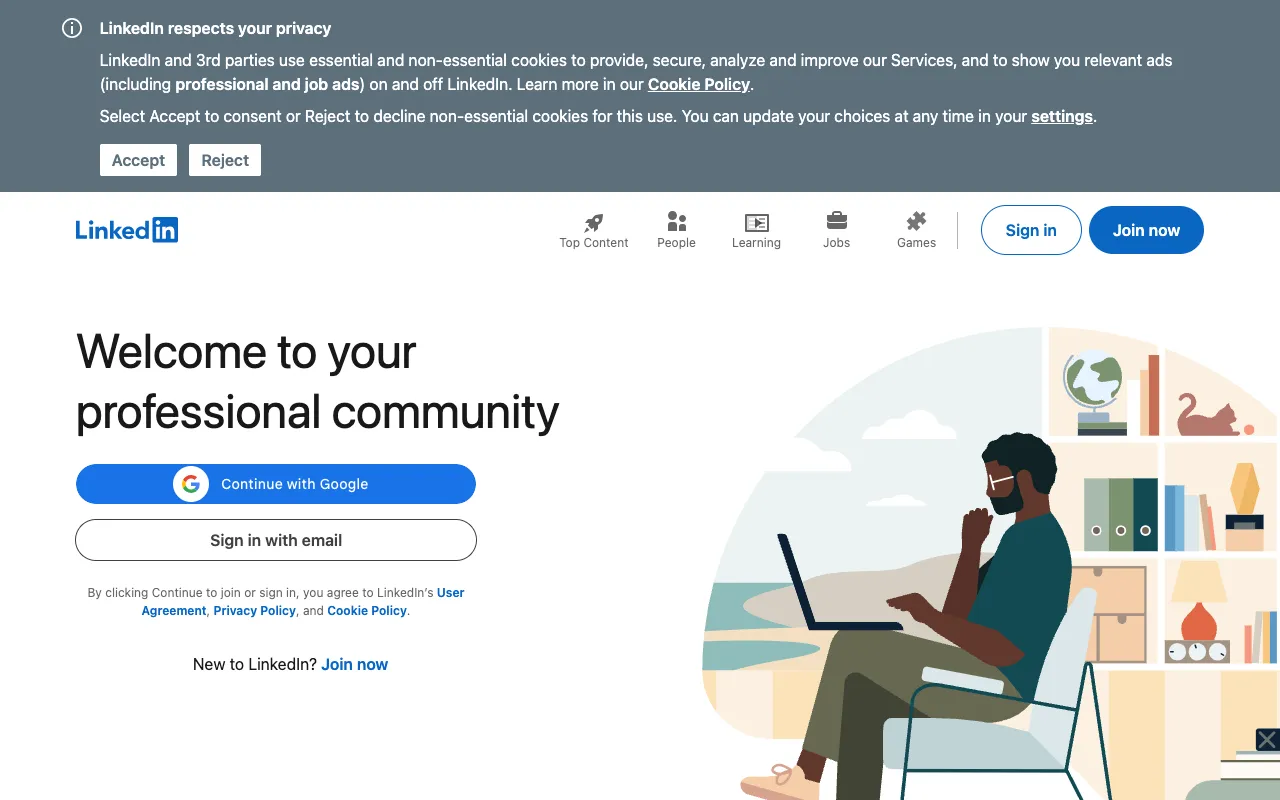
Image of LinkedIn – The Essential Platform for Freelance Writers

LinkedIn – The Essential Platform for Freelance Writers

For freelance writers, LinkedIn is far more than a digital resume—it's a dynamic portfolio, a networking powerhouse, and a direct pipeline to high-paying clients. This professional platform allows writers to bypass generic job boards and build relationships with decision-makers at companies, publications, and agencies. By strategically optimizing your presence, you can position yourself as a subject-matter expert, attract inbound leads, and command higher rates for your writing services.

What is LinkedIn for Freelance Writers?

LinkedIn is the world's largest professional networking platform, and for freelance writers, it functions as a critical business development tool. Its core purpose is to facilitate connections between professionals. For writers, this translates to connecting with content managers, marketing directors, editors, founders, and other potential clients. Beyond networking, it serves as a live portfolio where you can publish articles (via LinkedIn Articles), showcase published work, gather recommendations, and participate in industry discussions—all of which build the credibility and visibility necessary to succeed in a competitive freelance market.

Key Features of LinkedIn for Writers

Profile Optimization for Service-Based Businesses

Unlike a traditional employee profile, a freelance writer's LinkedIn profile must be optimized as a service page. This involves using the headline to state your value proposition (e.g., 'Freelance B2B Tech Writer | Helping SaaS Companies Convert Readers into Customers'), transforming the 'About' section into a client-focused service menu, and using the 'Featured' section to display your best writing samples, case studies, and testimonials.

LinkedIn Articles and Content Publishing

This native blogging platform allows you to demonstrate your writing skill and expertise directly on LinkedIn. Publishing articles on your niche topics attracts your ideal client profile, improves your visibility in search results, and establishes thought leadership. It's a powerful way to show, not just tell, potential clients what you can do for them.

Advanced Search and Lead Generation

LinkedIn's search filters are a goldmine for finding clients. Writers can search by job title (e.g., 'Content Marketing Manager,' 'Head of Communications'), company size, industry, and keywords. This allows for highly targeted outreach, moving away from cold pitching to warm connections based on mutual interests or groups.

LinkedIn Groups for Niche Networking

Joining and actively participating in groups related to your writing niches (e.g., 'Content Marketing Institute,' 'Fintech Writers,' 'Healthcare Communication Professionals') puts you in a dedicated space with your target audience. Sharing insights and contributing value here can lead to direct client inquiries and valuable peer referrals.

Who Should Use LinkedIn for Freelance Writing?

LinkedIn is indispensable for nearly all freelance writers, but it is particularly powerful for: B2B writers targeting specific industries (tech, finance, healthcare), copywriters focused on marketing and sales collateral, content strategists and long-form article writers, journalists building a personal brand, and any writer seeking to move away from low-paying content mills toward direct, retainer-based client relationships. It's less critical for purely creative fiction writers but remains valuable for non-fiction and commercial writing careers.

LinkedIn Pricing and Free Tier

LinkedIn offers a robust free tier that provides all the core functionality freelance writers need to build their brand and network effectively. This includes creating a full profile, connecting with others, joining groups, publishing articles, and using basic search. Their premium subscriptions (Sales Navigator, Premium Career, etc.) offer advanced features like InMail credits, enhanced search filters, and lead lists, which can significantly accelerate business development for established writers ready to invest in scaling their client acquisition.

Common Use Cases

Key Benefits

Pros & Cons

Pros

  • Direct access to hiring managers and decision-makers, eliminating middlemen
  • A free, powerful platform to build a professional portfolio and publishing hub
  • Networking opportunities that lead to long-term, retainer-based client relationships

Cons

  • Requires consistent, strategic engagement; a passive profile yields little result
  • The platform's algorithm favors regular content posters, which demands time investment
  • Standing out requires more than a basic profile; it needs strategic optimization

Frequently Asked Questions

Is LinkedIn free for freelance writers to use?

Yes, LinkedIn's core platform is completely free. Freelance writers can create a full profile, connect with potential clients, join industry groups, publish long-form articles, and use basic search functions at no cost. Premium paid plans offer advanced tools for faster lead generation.

Is LinkedIn good for finding freelance writing clients?

Absolutely. LinkedIn is one of the most effective platforms for freelance writers to find quality clients. It allows you to target specific industries and job titles, showcase your expertise publicly, and build professional relationships that often lead to direct contracts, bypassing competitive job boards and low-paying marketplaces.

How often should a freelance writer post on LinkedIn?

Consistency is key. Aim to be active 3-5 times per week. This doesn't always mean publishing full articles; it can include sharing insights, commenting on industry posts, updating your network on projects, and publishing shorter updates. The goal is to stay visible and engaged within your professional network.

Conclusion

For the serious freelance writer, LinkedIn is not optional—it's a foundational business tool. When optimized and used proactively, it transforms from a static profile into your most powerful marketing asset, consistently generating visibility, authority, and client opportunities. While it requires an investment of time and strategy, the return in the form of higher-quality clients and sustainable business growth is unparalleled in the freelance writing landscape.