Go back
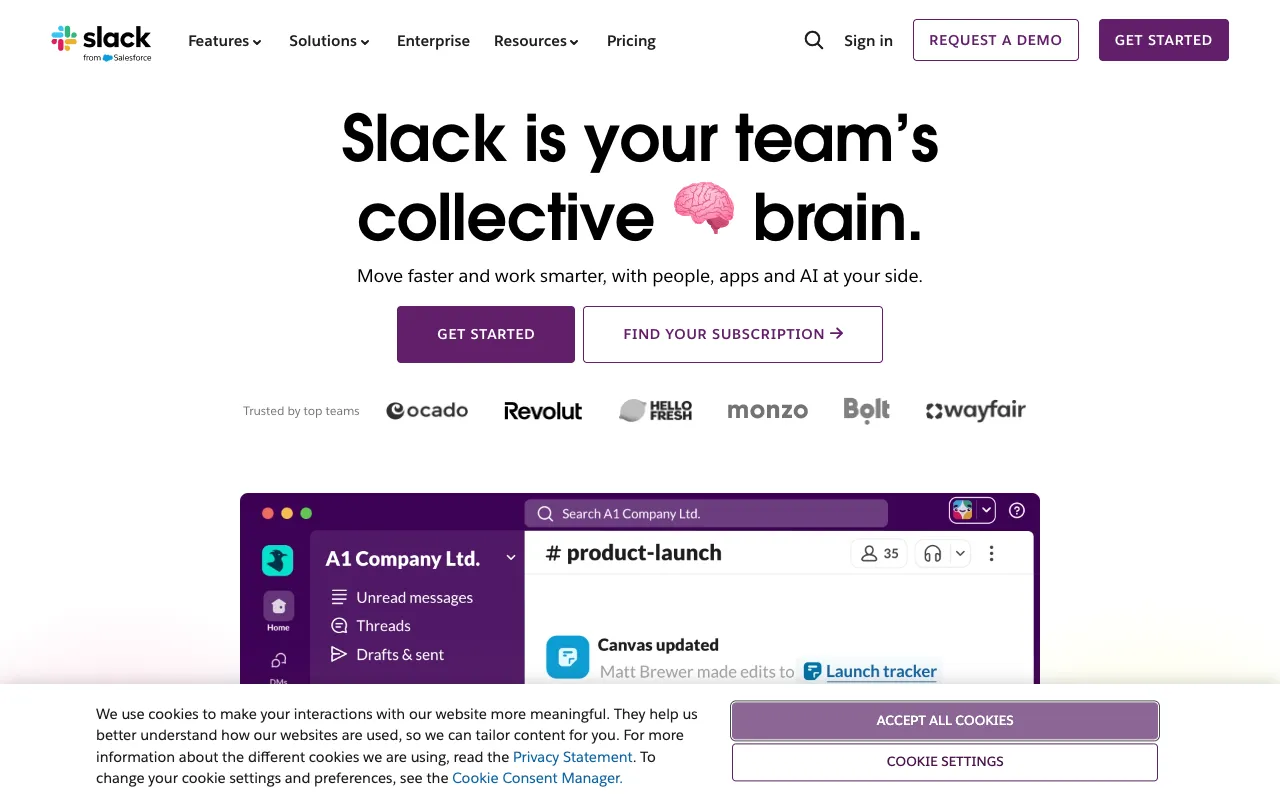
Image of Slack – The Essential Collaboration Hub for Software Engineers

Slack – The Essential Collaboration Hub for Software Engineers

For modern software engineering teams, effective communication is as critical as clean code. Slack is the premier collaboration platform that transforms how developers connect, share, and solve problems together. More than just a messaging app, Slack acts as the central nervous system for your engineering workflow, integrating seamlessly with the tools you use daily. From coordinating sprint planning in dedicated channels to receiving real-time alerts from your deployment pipeline, Slack consolidates notifications and conversations to keep your team aligned, informed, and highly productive.

What is Slack for Software Engineers?

Slack is a cloud-based collaboration hub designed to replace email as your team's primary method of communication. For software engineers, it provides a structured, searchable, and integrated workspace. Communication is organized into public or private 'channels' dedicated to specific projects, teams, or topics (like #backend-api, #frontend-bugs, or #deployments). Beyond basic messaging, Slack's true power lies in its ability to connect with hundreds of developer tools, bringing code reviews, build statuses, error logs, and support tickets directly into the conversation. This creates a unified command center where context is never lost, and actionable information flows directly to the right people.

Key Features of Slack for Dev Teams

Organized Channels for Team & Project Focus

Create dedicated channels for every team, project, or topic to reduce noise and keep discussions relevant. Public channels foster transparency, while private channels allow for sensitive discussions on security or HR. This structure mirrors software architecture, keeping communication modular and scalable as your team grows.

Deep Integrations with Developer Tools

Connect Slack to your entire development stack. Receive GitHub pull request notifications, track Jira or Linear issues, monitor Sentry errors, get PagerDuty alerts, and see CI/CD pipeline results from Jenkins, CircleCI, or GitHub Actions—all without leaving Slack. These integrations turn passive alerts into active conversations, enabling faster incident response and code review cycles.

Powerful Search & Knowledge Sharing

Every message, file, and link shared in Slack is fully indexed and searchable. This builds an institutional knowledge base, allowing engineers to quickly find past decisions, code snippets, error resolutions, or documentation links. Pinning important messages in channels and using threaded replies keeps knowledge organized and accessible.

Real-Time Messaging & Voice/Video Huddles

Move quickly from text to live conversation with built-in huddles (lightweight audio calls) for impromptu stand-ups, debugging sessions, or pair programming. Share your screen directly in any channel or DM to collaborate on code visually, reducing the friction of context switching to other meeting apps.

Who Should Use Slack?

Slack is indispensable for software engineering teams of all sizes, from fast-moving startups to large enterprise organizations. It is particularly valuable for: Remote and distributed engineering teams needing a 'virtual office'; DevOps and SRE teams requiring real-time incident alerts and coordination; Agile development squads managing sprints, stand-ups, and retrospectives; Open-source project maintainers coordinating with global contributors; and Tech leads and engineering managers who need visibility into project flow and team blockers without disruptive meetings.

Slack Pricing and Free Tier

Slack offers a robust Free plan perfect for small teams or startups to begin collaborating effectively. The free tier includes access to the last 90 days of message history, 10 integrations, and 1:1 video calls. For growing engineering teams needing advanced features, paid plans (Pro, Business+) provide unlimited message history, unlimited integrations, guaranteed uptime SLAs, compliance exports, and enhanced security controls like SAML-based SSO and data loss prevention (DLP), ensuring enterprise-grade security and scalability.

Common Use Cases

Key Benefits

Pros & Cons

Pros

  • Unmatched ecosystem of integrations with developer and productivity tools
  • Intuitive channel-based organization that scales with team complexity
  • Powerful search functionality makes past conversations and files instantly retrievable

Cons

  • Can become a source of distraction without proper channel discipline and notification management
  • The free plan has limitations on message history and integrations, which may hinder long-term use for growing teams

Frequently Asked Questions

Is Slack free for software engineering teams?

Yes, Slack offers a feature-rich Free plan that includes unlimited messaging, 10 app integrations, and 1:1 video calls. It's an excellent starting point for small teams. For access to full message history, unlimited integrations, and advanced security, paid plans are available.

Is Slack a good tool for DevOps and SRE workflows?

Absolutely. Slack is a top-tier tool for DevOps and Site Reliability Engineering. Its ability to integrate with monitoring tools (Datadog, PagerDuty), CI/CD platforms, and infrastructure providers allows teams to create alerting channels, automate incident response, and coordinate deployments seamlessly, significantly reducing mean time to resolution (MTTR).

How does Slack compare to Microsoft Teams for developers?

While both are robust platforms, Slack is often preferred in software engineering environments for its superior user experience, more extensive and user-friendly integration ecosystem (especially with niche developer tools), and stronger focus on channel-based, asynchronous communication. Teams has deeper native integration with the Microsoft 365 suite, which may be a deciding factor for enterprises heavily invested in that ecosystem.

Conclusion

For software engineering teams prioritizing streamlined communication, deep workflow integration, and a single source of truth for project collaboration, Slack remains the industry-standard solution. Its unique combination of organized channels, powerful search, and an unparalleled app directory tailored for developers makes it more than a messaging tool—it's a force multiplier for engineering productivity. Whether you're a small startup or a large enterprise, implementing Slack effectively can reduce friction, accelerate delivery cycles, and build a more connected and informed engineering culture.