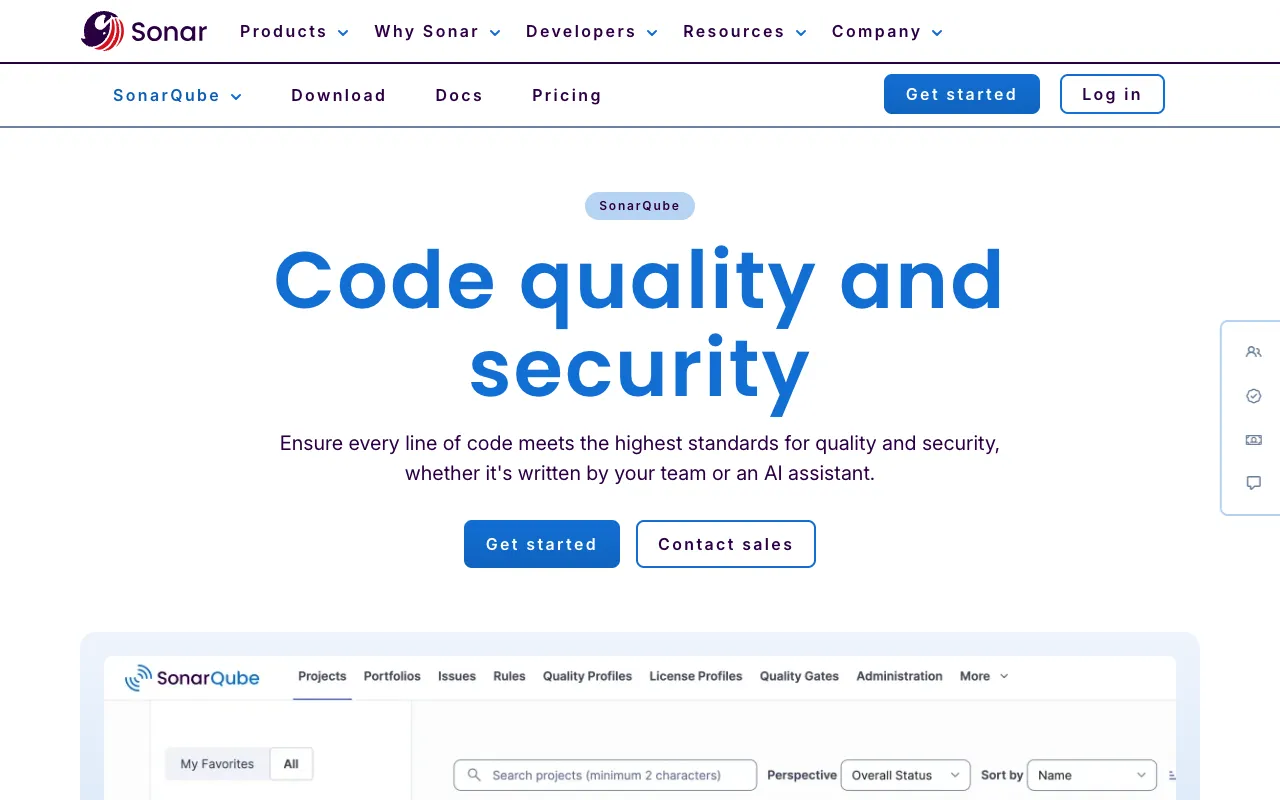
SonarQube – The Best Code Quality & Security Platform for Software Engineers
SonarQube is the industry-standard open-source platform for continuous code quality and security inspection. It empowers software engineering teams to automatically detect bugs, security vulnerabilities, code smells, and technical debt across more than 30 programming languages. By integrating directly into your CI/CD pipeline, SonarQube provides actionable feedback on every pull request, helping developers write cleaner, more secure, and maintainable code while enforcing quality gates before deployment.
What is SonarQube?
SonarQube is a comprehensive, self-managed platform designed for the continuous inspection of code quality and security. Its core purpose is to automate the code review process, moving quality assurance left in the development lifecycle. It statically analyzes source code to identify issues that compromise reliability, security, and maintainability. The platform serves development teams, engineering leads, and DevOps professionals who need to standardize code quality, reduce remediation costs, and ship more secure software faster. It stands out due to its depth of analysis, extensive language support, and seamless integration with modern development workflows.
Key Features of SonarQube
Static Application Security Testing (SAST)
SonarQube's SAST engine proactively scans source code for security vulnerabilities like SQL injection, cross-site scripting (XSS), and hard-coded credentials. It references standards like OWASP Top 10 and CWE, providing developers with clear guidance on how to fix security flaws before they reach production.
Multi-Language Code Quality Analysis
Get unified quality reports across your entire tech stack. SonarQube supports Java, C#, JavaScript, TypeScript, Python, Go, PHP, and many more, applying thousands of rules to detect bugs, code smells, and complexity issues specific to each language's best practices.
Pull Request Decoration & Quality Gates
Integrate analysis directly into GitHub, GitLab, Azure DevOps, and Bitbucket. SonarQube decorates pull requests with inline comments on new issues and enforces configurable Quality Gates (e.g., 'No new bugs,' 'Coverage >80%') to block merging until code meets your team's standards.
Technical Debt & Leak Period Focus
SonarQube quantifies technical debt and highlights the 'Leak Period'—issues introduced on new code. This allows teams to focus on fixing problems as they are written, preventing debt accumulation and keeping the main codebase clean and manageable.
Who Should Use SonarQube?
SonarQube is ideal for software engineering teams of all sizes that prioritize code quality and security. It is particularly valuable for: Development teams implementing DevOps practices who need automated quality gates; Engineering managers who need visibility into code health and team performance; Security-conscious organizations requiring SAST integrated into developer workflows; Enterprises managing large, complex, multi-language codebases who need to reduce technical debt; Open-source projects that want to enforce community quality standards. Common use cases include enforcing coding standards, preventing security vulnerabilities from being merged, onboarding new developers with consistent feedback, and preparing for compliance audits.
SonarQube Pricing and Free Tier
SonarQube offers a robust, completely free and open-source Community Edition. This tier includes core code analysis for 19+ languages (including Java, JS/TS, C#, Python), detection of bugs and vulnerabilities, and integration with CI engines and SCMs. For organizations needing advanced security rules (including OWASP, PCI DSS), support for additional languages like Terraform and Kubernetes, and enterprise features like portfolio management, project transfer, and SAML authentication, SonarSource offers paid Developer, Enterprise, and Data Center editions. The free tier makes SonarQube accessible for startups, individual projects, and teams beginning their code quality journey.
Common Use Cases
- Automated code review for Java Spring Boot applications to reduce production bugs
- Continuous security scanning for Node.js and Python microservices to meet compliance standards
- Enforcing TypeScript best practices and reducing complexity in front-end React projects
Key Benefits
- Shift security and quality left to catch issues early when they are 10x cheaper to fix
- Standardize code quality across large, distributed engineering teams and multiple repositories
- Generate objective metrics on code health and technical debt to guide refactoring priorities
Pros & Cons
Pros
- Comprehensive, industry-leading static analysis for code quality and security (SAST)
- Extensive, native support for over 30 programming languages and frameworks
- Powerful, free open-source Community Edition with no user or lines-of-code limits
- Deep integration with all major CI/CD platforms and source code management systems
- Actionable feedback directly in developer IDEs and pull request interfaces
Cons
- The self-managed platform requires initial setup and ongoing maintenance of servers
- Advanced security rules and support for newer languages require a paid subscription
- The depth of analysis can initially produce many findings, requiring time to tune rules
Frequently Asked Questions
Is SonarQube free to use?
Yes, SonarQube offers a powerful, full-featured Community Edition that is completely free and open-source. It includes core code analysis for many popular languages, bug and vulnerability detection, and CI/CD integration, with no restrictions on users, projects, or lines of code analyzed.
Is SonarQube good for securing web applications?
Absolutely. SonarQube is an excellent tool for web application security. Its SAST capabilities are tailored to find vulnerabilities common in web apps, such as SQL Injection, Cross-Site Scripting (XSS), and insecure deserialization. It helps developers write secure code from the start, making it a critical component of a modern AppSec program.
How does SonarQube compare to linters like ESLint or SonarLint?
SonarQube complements linters. Tools like ESLint are fast, local checks for style and basic errors. SonarLint is its IDE extension for real-time feedback. SonarQube the platform provides centralized, deeper analysis across the entire project and branch history, enforces quality gates, tracks technical debt, and offers security-focused SAST that most linters lack. They are designed to work together in a layered defense.
Conclusion
For engineering teams serious about shipping high-quality, secure software, SonarQube is an indispensable platform. Its unique combination of deep static analysis, comprehensive language support, and seamless workflow integration makes it a top choice for automating code quality and security. Whether you start with the robust free Community Edition or scale with an enterprise plan, SonarQube provides the objective metrics and automated gates needed to systematically improve your codebase, reduce risk, and accelerate development velocity.